How to Make Cold Brew Tea: An Easy Step-by-Step Guide
A smooth refrigerator method with practical ratios, timing, storage, and fixes
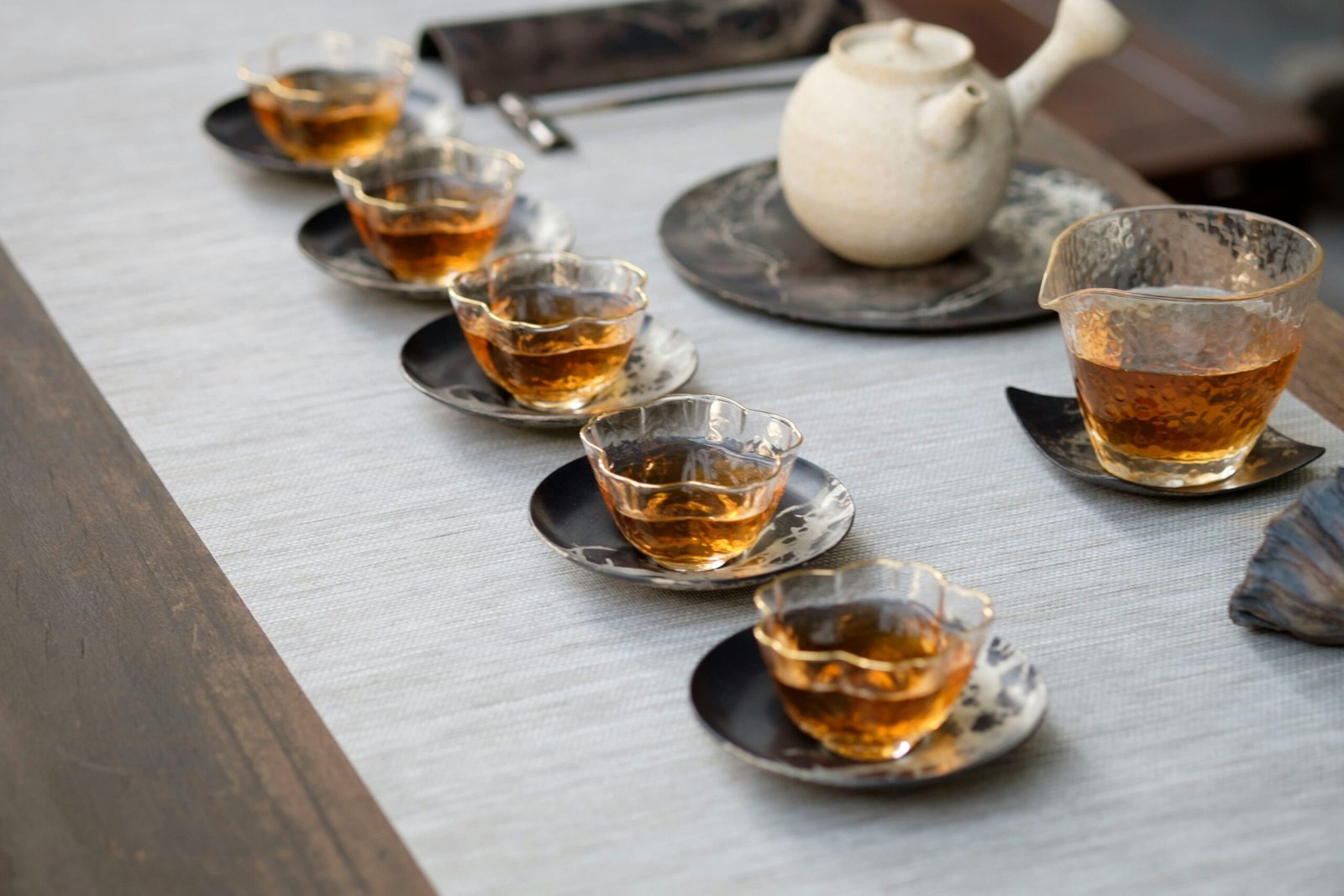
For anyone learning how to cold brew tea, the method is pleasantly simple. It requires only tea, cold water, a clean container, and time in the refrigerator. Once the leaves have infused, the finished batch is strained and served over ice. No kettle or complicated equipment is required.
Quick answer: Combine 4 tea bags or 4 to 6 teaspoons of loose leaf tea with 4 cups (1 litre) of cold filtered water. Cover, refrigerate for 6 to 8 hours, strain, and serve. Delicate teas may be ready sooner, while robust or herbal blends may need longer.
What Is Needed
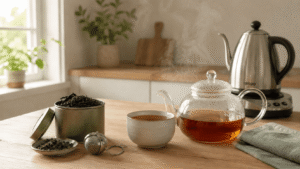
The method works with everyday kitchen equipment. A home brewer only needs:
• Tea: Four standard tea bags or 4 to 6 teaspoons of loose leaves make a balanced one-liter batch.
• Water: Cold, filtered water usually gives the cleanest flavor. Strong chlorine or mineral odors can become noticeable after a long infusion.
• A container: A clean glass pitcher, mason jar, or food-safe bottle with a lid works well.
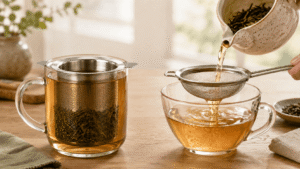
• A strainer: A fine-mesh sieve, basket infuser, or reusable filter catches loose particles. Tea bags can simply be removed.
• Optional additions: Ice, citrus, fresh mint, sliced fruit, milk, honey, or simple syrup can be added after brewing.
The container should be clean, odor-free, and large enough to leave a little room at the top. A dedicated cold brew tea maker is convenient, but it is not necessary.
How to Make Cold Brew Tea Step by Step
Step 1: Choose the Tea
Nearly any familiar variety can work, but the first batch is easiest with a tea that already tastes pleasant when served chilled. Green tea produces a light, grassy cup; black tea creates a fuller base; oolong brings floral or roasted notes; and white tea stays especially delicate. Herbal blends can also work, although package instructions should take priority when a product calls for boiling water.
Fresh leaves matter more than expensive equipment. Tea that smells flat or has absorbed pantry odors will usually make a dull drink.
Step 2: Measure the Tea and Water
For a ready-to-drink batch, use one tea bag per 8 ounces (240 milliliters) of water. With loose leaves, begin with 1 to 1 1/2 teaspoons per cup. This creates enough flavor to remain noticeable after ice is added without turning the drink into a concentrate.
A stronger batch can use roughly 50 percent more leaf. It is better to increase the amount of tea than to leave delicate leaves soaking for an extreme length of time.
Step 3: Combine Everything in a Clean Container
Place the bags or loose leaves in the jar, then pour in the cold water. Loose leaves can float at first and settle as they hydrate. A gentle stir ensures that all of the material becomes wet.
Fruit, herbs, and sweeteners are best left out during the first test batch. Adding them after straining makes the base easier to evaluate and usually improves storage life.
Step 4: Cover and Refrigerate
Cover the container and place it directly in the refrigerator. Six to eight hours is a dependable starting point. Brewing overnight is convenient, but a delicate green variety may be ready after four hours.
Cold steeping should take place under refrigeration rather than on a warm counter. South Dakota State University Extension describes refrigerated steeping for 6 to 12 hours and emphasizes clean equipment. A refrigerator temperature of 40°F (4°C) or below also matches general FoodSafety.gov cold-storage guidance.
Step 5: Taste Before the Maximum Time
Taste a small spoonful near the early end of the suggested range. A finished infusion should taste clear and complete rather than watery. If it is still faint, allow another hour or two. If drying or woody notes begin to dominate, the leaves should be removed.
Step 6: Strain the Batch
Lift out the bags without squeezing them aggressively, since pressing can release fine particles and harsher flavors. Pour loose leaf tea through a fine strainer. Very small leaves may need a second pass through a paper filter or clean cloth.
Step 7: Serve
Pour the finished drink over a modest amount of ice. Lemon, mint, fruit, milk, or syrup can be added to individual glasses, allowing the main batch to remain versatile. If the flavor is stronger than expected, a splash of fresh water will correct it.
Quick Cold Brew Tea Recipe
Recipe detail | Amount |
Yield | 4 cups / about 1 litre |
Tea | 4 bags or 4 to 6 teaspoons loose leaf |
Water | 4 cups cold filtered water |
Preparation | About 5 minutes |
Refrigerated steep | 6 to 8 hours |
Method | Combine, cover, refrigerate, strain, and serve |
How Long Should Cold Brew Steep?
The ideal range depends on leaf type, cut, freshness, and desired strength. The following times offer useful tasting points rather than strict deadlines.
Tea type | Start tasting | Typical range | Expected character |
Green tea | 4 hours | 4 to 6 hours | Fresh, light, gently vegetal |
White tea | 5 hours | 6 to 8 hours | Soft, floral, subtly sweet |
Black tea | 5 hours | 6 to 8 hours | Rounded, brisk, full-bodied |
Oolong tea | 5 hours | 6 to 10 hours | Floral, creamy, or roasted |
Herbal or fruit blend | 6 hours | 8 to 12 hours | Bold, aromatic, fruit-forward |
Wondering how long to cold brew tea overnight? A batch started before bed can usually be strained the next morning. Green leaves should be checked earlier when possible, while larger oolong leaves are generally more forgiving. Long soaking is not automatically better; once the drink tastes balanced, the leaves have done their job.
The Best Cold Brew Tea Ratio
A practical cold brew tea ratio is one standard bag or 1 to 1 1/2 teaspoons of loose tea for every cup of water. The table below scales that formula for common container sizes.
Water | Tea bags | Loose leaf tea |
1 cup / 240 ml | 1 | 1 to 1 1/2 tsp |
2 cups / 475 ml | 2 | 2 to 3 tsp |
4 cups / 1 liter | 4 | 4 to 6 tsp |
8 cups / 2 liters | 8 | 8 to 12 tsp |
These quantities are starting points, not rigid rules. Large whole leaves occupy more space than finely cut leaves, and some tea bags contain more material than others. A pale-looking infusion can still taste complete, so color alone is not a reliable strength test.
For concentrate, double the amount of leaf while keeping the same water volume and steeping range. The concentrate can then be diluted with equal parts water, sparkling water, lemonade, or milk.
How Long Should Cold Brew Steep?
The ideal range depends on leaf type, cut, freshness, and desired strength. The following times offer useful tasting points rather than strict deadlines.
Tea type | Start tasting | Typical range | Expected character |
Green tea | 4 hours | 4 to 6 hours | Fresh, light, gently vegetal |
White tea | 5 hours | 6 to 8 hours | Soft, floral, subtly sweet |
Black tea | 5 hours | 6 to 8 hours | Rounded, brisk, full-bodied |
Oolong tea | 5 hours | 6 to 10 hours | Floral, creamy, or roasted |
Herbal or fruit blend | 6 hours | 8 to 12 hours | Bold, aromatic, fruit-forward |
Wondering how long to cold brew tea overnight? A batch started before bed can usually be strained the next morning. Green leaves should be checked earlier when possible, while larger oolong leaves are generally more forgiving. Long soaking is not automatically better; once the drink tastes balanced, the leaves have done their job.
Best Teas for Cold Brewing
Green Tea
Cold brew green tea is a friendly starting point for anyone who finds hot green tea too sharp. Sencha tastes fresh and grassy, jasmine green tea adds floral aroma, and genmaicha brings a toasted note. Four to six hours is often enough. Finely cut cold brew green tea bags may infuse faster than whole leaves, so an early taste helps.
Black Tea
Cold brew black tea produces a classic, deeply colored drink suited to lemon, peach, or a small amount of milk. Ceylon-style blends tend to taste bright, while Assam-based blends are maltier. Six to eight hours creates a dependable base for iced black tea without relying on a hot concentrate.
White Tea
Cold brew white tea creates a light infusion with floral, melon-like, or honeyed notes. Its color may remain pale even when the flavor is ready. Whole leaves need room to expand, making a wide jar or basket infuser useful.
Oolong Tea
Oolong can range from green and floral to dark and roasted. Rolled leaves slowly unfurl in cold water, often producing several layers of flavor. A second infusion is possible when the first batch used fresh, high-quality leaves, but it should also remain refrigerated and be consumed promptly.
Herbal Tea and Fruit Blends
What Makes Cold Brewing Taste Different?
This method also differs from ordinary iced tea. Traditional iced tea is brewed hot and then cooled or poured over ice. A cold infusion begins with cool water and stays chilled throughout the process. Hot brewing is faster and often produces a stronger aroma; cold brewing is slower and generally gives a gentler profile.
Easy Flavor Ideas
Flavor additions work best after the leaves have been strained. This keeps the base easy to adjust and prevents soft fruit or herbs from sitting in the pitcher for too long.
• Lemon and mint green tea: Add two lemon slices and a lightly bruised mint sprig to each glass.
• Peach black tea: Stir in a spoonful of peach puree or add thin fresh slices just before serving.
• Berry hibiscus: Combine a chilled hibiscus infusion with crushed berries and a little sparkling water.
• Cucumber white tea: Add cucumber ribbons and a small basil leaf for a clean, delicate finish.
• Cold chai latte: Brew a strong black chai base, strain it, then mix each serving with milk and simple syrup.
Granulated sugar dissolves poorly in a cold drink. Simple syrup, honey loosened with a little warm water, or another liquid sweetener blends more evenly. For unsweetened tea, citrus peel or aromatic herbs can create a fuller impression without added sugar.
Common Mistakes and Simple Fixes
The Tea Tastes Weak
Too little leaf is the usual cause. The current batch can be served with less ice, while the next one can use an extra bag or another teaspoon of leaves. Extending the time by one or two hours can help, but a very weak ratio rarely becomes rich through time alone.
The Tea Tastes Bitter or Dry
The leaves may be too fine, too abundant, or left in too long. Strain the batch and dilute it with fresh water. Starting the next batch with an earlier tasting point usually solves the problem.
The Drink Looks Cloudy
Cloudiness can come from fine leaf particles, mineral-heavy water, rapid temperature changes in hot-brewed iced tea, or natural compounds in the leaves. A paper filter can improve appearance. Cloudiness alone is not a safety test; an unusual odor, visible growth, fizzing, or a slimy texture means the drink should be discarded.
Ice Dilutes the Flavor
The batch may be poured into an already chilled glass with only a few cubes. Another option is to freeze leftover tea in an ice tray, creating cubes that keep the drink cold without weakening it.
How to Store Cold Brew Tea Safely
The finished drink should stay in a clean, covered container at 40°F (4°C) or below. Leaves and bags should be removed once the desired flavor is reached. Fresh fruit and herbs are best added by the glass or removed before storage.
For both quality and caution, refrigerated tea is best consumed within three days. Iowa State University Extension gives the same three-day recommendation for refrigerated brewed tea. A batch left at room temperature for an extended period should not be returned to the refrigerator for later use. When odor, texture, pressure, or visible growth seems unusual, tasting is not a safe way to check it.
Frequently Asked Questions
Can Regular Tea Bags Be Used for Cold Brew?
Yes. Regular tea bags work well, and one bag per cup is an easy starting point. Special cold brew tea bags may extract faster, but they are optional. The string and tag should remain outside the container when possible.
Can Tea Be Made With Cold Water?
Yes. Tea can steep in cold water when it remains refrigerated for several hours. The slower extraction is the foundation of refrigerator tea. It should not be confused with leaving a jar on a counter or in the sun.
Can a Batch Be Made Overnight?
Yes. An overnight steep of roughly six to ten hours suits many black, white, oolong, and larger-leaf teas. Green tea may be ready sooner. The batch should be strained in the morning rather than left with the leaves all day.
Is Boiling Water Required First?
Not for ordinary Camellia sinensis teas when a clean, refrigerated method is used. Herbal products may carry different preparation directions, so their labels should be followed. People at greater risk from foodborne illness may prefer a hot-brew-and-chill method.
Does Cold Brew Tea Contain Caffeine?
It can. Green, black, white, and oolong teas naturally contain caffeine. The exact amount varies with the leaf, dose, temperature, and time, so cold brewing should not be assumed to create a caffeine-free drink. Rooibos and many herbal blends are naturally caffeine-free, although labels remain the best guide.
Can the Leaves Be Reused?
Large, intact leaves sometimes support a second cold steep. The second batch will usually be lighter and may need more time. Used leaves should remain cold, and the second infusion should begin promptly rather than after hours on the counter.
How Long Does Cold Brew Tea Last in the Fridge?
Three days is a sensible maximum for a home batch kept continuously cold in a clean, covered container. Tea with cut fruit, dairy, or other perishable additions should be consumed sooner.
Can Milk Be Added?
Yes. Strong black tea, chai, roasted oolong, and hojicha pair especially well with milk. Milk is best added to each serving, and any mixed drink should remain refrigerated and follow the milk package’s storage guidance.
Final Thoughts
The method is simple: use one tea bag or about 1 to 1 1/2 teaspoons of loose leaves per cup, add cold filtered water, refrigerate, taste, and strain. Once that base formula feels familiar, different leaves, steeping times, fruits, and herbs can turn the same easy process into a wide range of refreshing drinks.
Editorial and Research Sources
• South Dakota State University Extension, “How to Make Cold Brewed Teas Safely”: Open source
• FoodSafety.gov, “4 Steps to Food Safety”: Open source
• Iowa State University Extension, “Iced Tea Safety”: Open source